2026-11-10 · Rick Donovan
Preventing Frozen Pipe Bursts In Spokane Homes During Winter
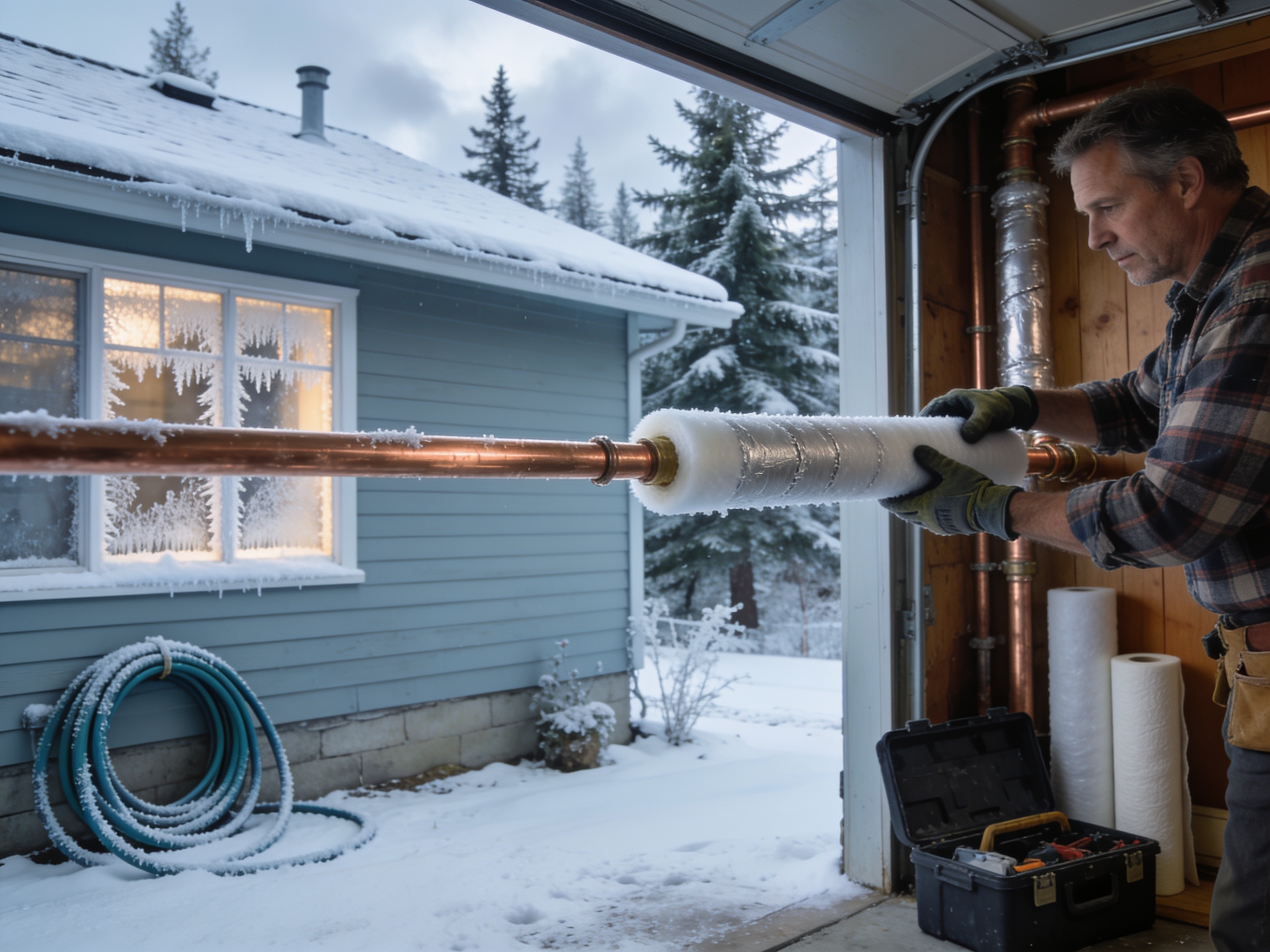
Spokane homes face frozen pipe bursts when overnight lows dip below freezing for several nights in a row, but keeping indoor temperatures above 55°F while sealing exterior walls cuts that risk sharply in neighborhoods like South Hill and Browne's Addition. The county's four distinct seasons bring reliable cold snaps from November through February that penetrate crawl spaces and attics faster than in milder nearby cities such as Spokane Valley or Post Falls.
Identifying Vulnerable Pipes in Spokane Homes
Older homes built before 1970 in Browne's Addition and Perry District often run supply lines through uninsulated exterior walls and crawl spaces that sit directly on frozen ground. These pipes, typically copper or galvanized steel, lose heat quickly once snow piles up against foundations along the South Hill. Walk through your basement or crawl space during the first cold front and feel for drafts near pipes that run parallel to exterior siding. Homes near Riverfront Park or Manito Park sit on similar terrain where wind funnels cold air under porches, making those locations especially prone to overnight freezes.
Insulating Pipes Before Winter Hits
Wrap exposed lines with foam sleeves rated for at least R-3 insulation value, focusing first on the 3–6 feet nearest the foundation in South Hill crawl spaces. Add heat tape on runs that already froze in prior seasons, setting the thermostat-controlled tape to activate at 38°F. Seal gaps around pipe penetrations with expanding foam rated for exterior use, then check the work after the first snow to confirm no new drafts formed. This approach works equally well in single-story ranch homes common in Spokane Valley and multi-level houses on the South Hill.
Maintaining Heat and Monitoring During Cold Snaps
Leave cabinet doors under sinks open when forecasts call for lows below 20°F so warm air reaches pipes along exterior walls. Keep the furnace set no lower than 60°F even when the house is empty, and use a programmable model that raises the temperature two hours before dawn. Check an outdoor thermometer mounted on the north side of the house each evening; when it reads below 15°F for more than two consecutive nights, run a slow trickle from the farthest faucet. Residents in Cheney and Post Falls follow the same routine because the same weather systems affect the entire Spokane County region.
What to Do If a Pipe Freezes or Bursts
Shut off the main water valve immediately if you hear running water behind walls or see moisture near baseboards. Open faucets on the affected line to relieve pressure while the pipe thaws slowly with a hair dryer or space heater aimed at the frozen section. Never use open flame or high-heat torches, as they can damage solder joints common in Spokane's older housing stock. Once water flow is restored, inspect drywall and flooring for hidden saturation that can lead to mold within 48 hours in the region's humid winter air.
If damage has already occurred, contact professionals who handle Water Damage Restoration and Water Damage Repair in Spokane County. Review Factors That Influence Water Damage Restoration Costs In Spokane to understand what affects pricing after a winter incident. The team at 4625 E Trent Ave operates Monday through Friday 8am–6pm and Saturday 9am–2pm to respond to these situations.