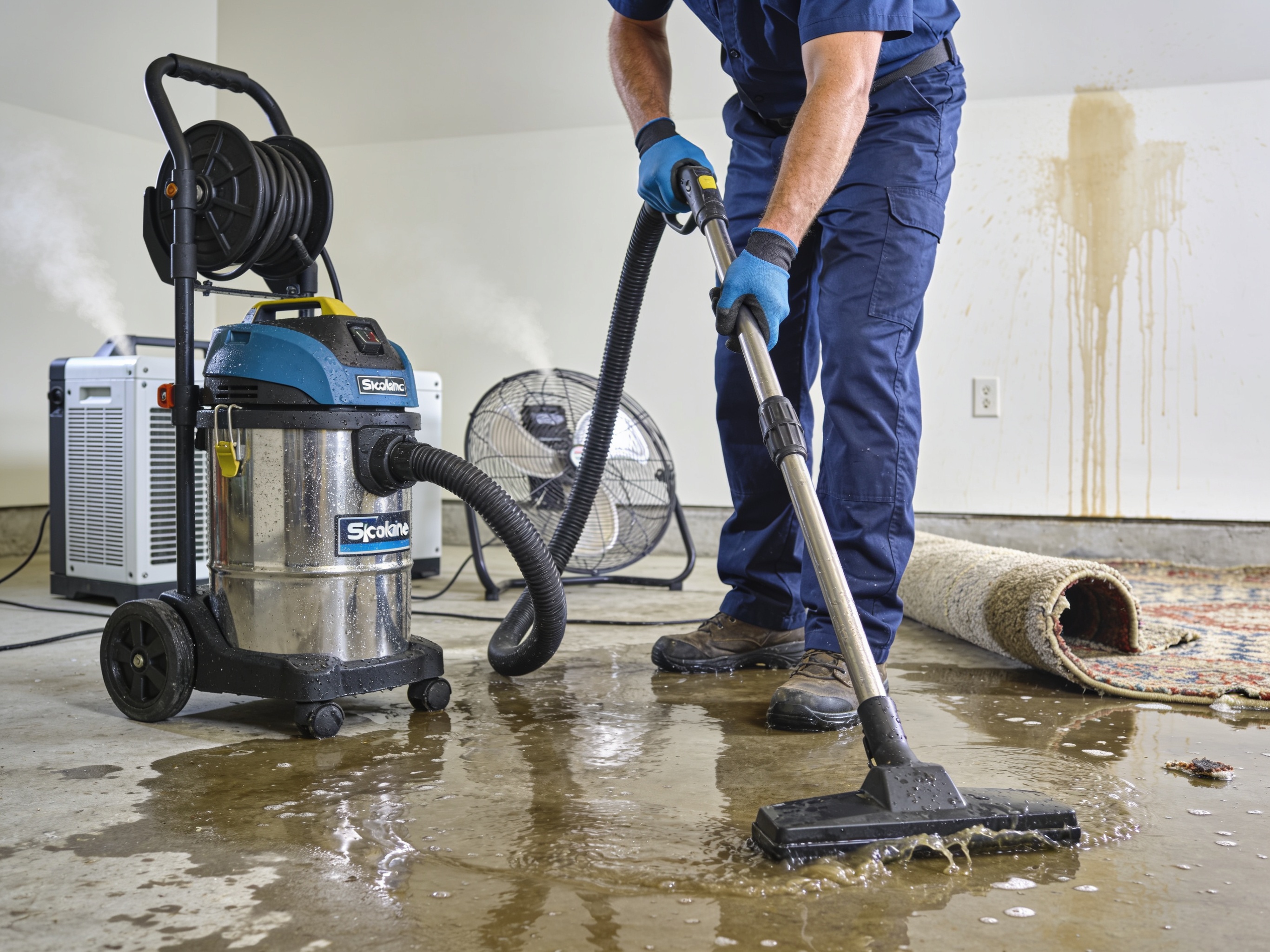
Post Falls homes along the Spokane River and near Q'emlin Park face repeated water intrusion from seasonal runoff and river levels that rise after heavy spring melt. Our crew based at 4625 E Trent Ave drives I-90 west to reach properties off Seltice Way or Mullan Avenue within the posted hours, extracting water before it reaches older crawl spaces common in 1970s-1990s builds east of the river.
Winter pipe bursts hit houses on the north side of I-90 hardest because of the cold air that funnels down the valley. We focus on drying wall cavities and subfloors in these split-levels and ranch styles before mold sets in during the quick warm-up that follows a snow event.
Newer subdivisions south of Prairie Avenue bring slab-on-grade construction that channels water toward garages when storm drains clog. Our response targets those entry points first, using the direct route from Spokane to keep response times short for Post Falls residents.
Around 50. Post Falls
We regularly work near:
- 📍Q'emlin Park
- 📍Treaty Rock
- 📍Spokane River
- 📍Post Falls High School
- 📍Centennial Trail
- 📍Seltice Way
Water Damage Restoration in 50. Post Falls — Local Notes
- •River-adjacent lots off E 16th Avenue and Beck Road see groundwater seepage that travels under foundations during spring runoff.
- •Many 1980s homes in the Treaty Rock neighborhood have finished basements with limited access points that trap water behind finished walls.
- •Snow load on flat roofs common along Seltice Way leads to ice dam leaks that soak insulation in attic spaces above living areas.
- •Post Falls clay soils hold moisture longer than Spokane Valley sand, so drying times extend when we extract from yards along the Centennial Trail corridor.